The waistline has long been a focal point in fashion, serving as both a structural element and a stylistic statement. From the cinched waists of Victorian corsetry to the dropped waists of flapper dresses, how we define this central axis speaks volumes about cultural ideals and personal expression. In contemporary fashion, the belt has emerged as the ultimate tool for waist definition – a versatile accessory that can dramatically alter silhouettes and convey distinct style philosophies.
The Psychology of Waist Definition
Human eyes are biologically programmed to seek proportions, and the waist serves as the body's natural divider between upper and lower halves. This explains why waist definition remains perennially relevant across fashion eras. A well-placed belt does more than hold garments together; it creates visual harmony, influences perceived body shape, and communicates intentionality in dressing. The width of this defining band makes subtle but powerful statements about the wearer's aesthetic priorities.
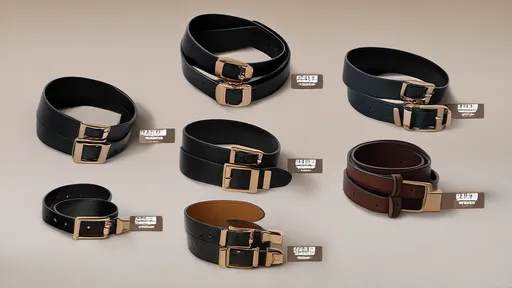
Skinny belts whisper refinement, their delicate presence suggesting understated elegance. At barely half an inch wide, these slender strips of leather or fabric provide the lightest punctuation to an outfit. They work particularly well with flowing fabrics that benefit from minimal interruption – think silk shirt dresses or chiffon maxis where you want shape without stiffness. The narrow belt says "I appreciate subtlety" without uttering a word.
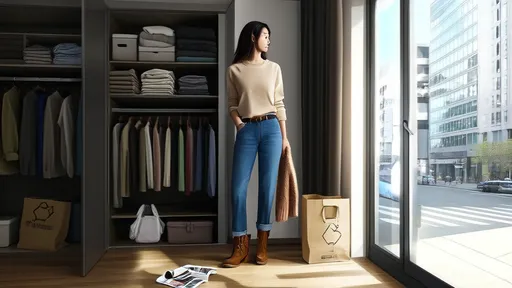
Medium-width belts, those workhorse one-to-two-inch options, strike a balance between definition and comfort. This is the belt as practical partner – sturdy enough to actually keep trousers in place while still contributing to the overall look. The mid-width belt excels at creating that coveted hourglass shape without dramatic constriction. It's the choice of those who value both style and mobility, often seen anchoring blazers at the waist or giving structure to A-line coats.
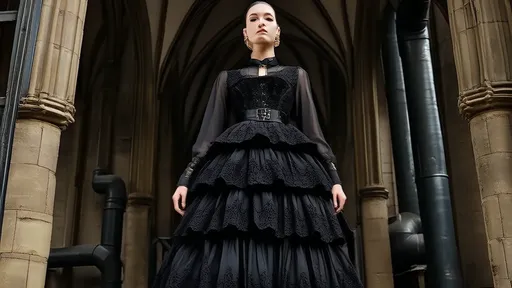
Then comes the statement belt territory – those three-inch-plus showstoppers that don't just define the waist but announce its presence. Wide belts make architectural claims, transforming the torso into a canvas for bold design. They carry echoes of warrior girdles and ceremonial sashes, bringing a ceremonial quality to modern dressing. When a woman wraps a four-inch leather obi belt around her waist, she's not merely accessorizing; she's declaring confidence in her physical presence.
The current revival of 1970s fashion has brought wide belts back with particular vengeance. Runways show them layered over maxi dresses, cinching oversized blazers, and even doubling as bustiers when styled creatively. This resurgence speaks to our cultural moment – after years of loose, unstructured silhouettes dominating, there's renewed appetite for defined shapes. The wide belt satisfies that craving while allowing for personal interpretation.
Material Matters
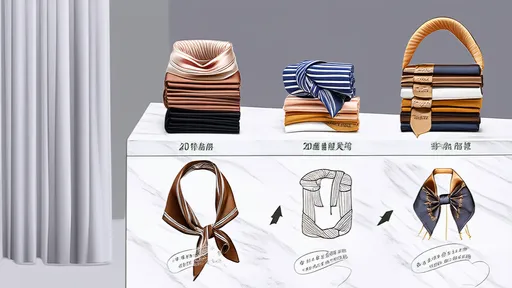
Leather belts project polish and permanence – their very durability suggests the wearer invests in pieces meant to last. Patent leather adds glossy modernity, while distressed finishes bring rustic charm. Fabric belts, whether woven or braided, introduce texture and often a handmade quality. Then there are the unexpected materials: metal mesh belts that catch the light, transparent acrylic styles that create definition without visual weight, even repurposed scarves knotted at the waist for bohemian flair.
The buckle often serves as the belt's exclamation point. Minimalist frames suit contemporary aesthetics, while ornate vintage-inspired clasps add storytelling elements. Some designers have transformed the buckle into wearable sculpture – Maison Margiela's oversized ring belts or Gucci's interlocking G motifs become conversation pieces that happen to define the waist.
Unexpected Waistlines
Creative belting isn't limited to the natural waist. Hip belts create elongated torsos and play with proportion in intriguing ways. Empire waists defined just below the bust evoke regal elegance. Even the dropped waist – that 1920s hallmark – finds modern expression when a bold belt rests low on the hips over a flowing dress. Each placement communicates different attitude, from the romanticism of high waists to the relaxed cool of low-slung styles.
Men's fashion increasingly embraces waist definition through belting as well. The rise of high-waisted trousers and belted coats in menswear shows how this technique transcends gender. A well-placed belt can give masculine silhouettes refined shape without sacrificing tailored integrity.
Cultural Conversations
Waist definition carries historical baggage worth acknowledging. The tiny waists of corsetry reflected oppressive beauty standards, while the loose silhouettes of the 1920s and 1960s represented social liberation. Today's multiplicity of waist-defining options – from barely-there to boldly cinched – reflects hard-won freedom to choose one's own silhouette. The belt becomes a tool of self-determination rather than constraint.
This accessory's democratizing power shouldn't be underestimated. Unlike garments sized to specific measurements, most belts adjust to fit diverse body types. A fabulous belt can make off-the-rack clothing feel custom, bridge gaps between ill-fitting pieces, and help wearers reclaim confidence in their shape. In an era of increasing size inclusivity, adjustable waist definition offers styling solutions for all.
The belt's renaissance coincides with fashion's broader movement toward versatile pieces that encourage creativity. In an oversaturated retail landscape, consumers crave items that deliver multiple functions. A single remarkable belt can transform a wardrobe's possibilities – taking dresses from season to season, refreshing outdated pieces, and personalizing basic outfits. This humble accessory packs outsized styling power.
As we move forward, waist definition will continue evolving beyond traditional belting. Designers experiment with built-in corsetry, adjustable drawstrings, and even technological integrations like light-up belts. Yet the fundamental appeal remains: in a world of fleeting trends, the ability to consciously sculpt one's silhouette represents enduring style mastery. Whether opting for whisper-thin definition or bold belted statements, how we choose to mark our waists speaks volumes before we ever utter a word.

By /Aug 1, 2025

By /Aug 1, 2025
By /Aug 1, 2025

By /Aug 1, 2025
By /Aug 1, 2025

By /Aug 1, 2025
By /Aug 1, 2025
By /Aug 1, 2025
By /Aug 1, 2025

By /Aug 1, 2025
By /Aug 1, 2025
By /Aug 1, 2025
By /Aug 1, 2025
By /Aug 1, 2025
By /Aug 1, 2025
By /Aug 1, 2025

By /Aug 1, 2025
By /Aug 1, 2025
By /Aug 1, 2025

By /Aug 1, 2025
