The delicate intricacy of lace has long been associated with femininity and intimacy, tracing its origins from royal courts to bridal trousseaus. For centuries, this textile marvel remained confined to the private sphere - gracing chemises, corset covers, and undergarments meant only for a privileged gaze. Yet in our contemporary fashion landscape, lace has boldly stepped out from beneath the layers to claim its place as a dominant exterior aesthetic, rewriting the rules of sartorial expression.
This metamorphosis didn't occur overnight. The journey of lace from hidden detail to runway centerpiece reflects broader cultural shifts in how we perceive femininity, power, and the very definition of appropriate attire. Designers began experimenting with lace as outerwear in the 1920s flapper era, when rebellious women paired sheer lace dresses with their newfound freedom. However, it wasn't until the sexual revolution of the 1960s that lace truly began its ascent into mainstream fashion consciousness.
The transparency paradox lies at the heart of lace's transformation. What was once considered scandalously revealing has been reinterpreted as sophisticated and powerful. Modern lace designs play with this duality - offering coverage while suggesting skin, creating garments that are simultaneously demure and daring. The magic of lace resides in this tension between concealment and revelation, a visual metaphor for contemporary womanhood that embraces complexity.
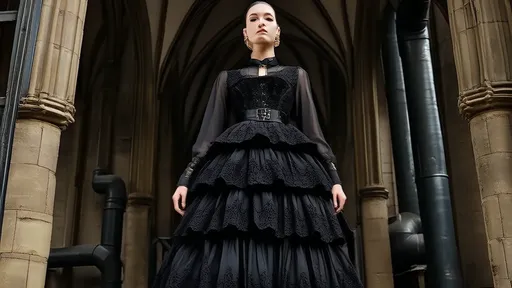
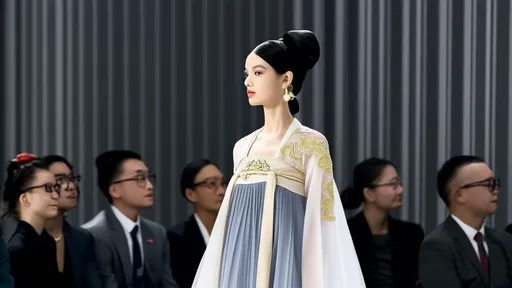
High fashion houses have been instrumental in lace's rehabilitation. Designers like Dolce & Gabbana have built entire collections around lace's romantic potential, while avant-garde creators like Iris van Herpen engineer futuristic lace hybrids through 3D printing. The fabric's versatility allows it to transcend seasons - crisp cotton lace for spring, heavy guipure for winter, and everything in between. Runways consistently demonstrate how lace adapts to cultural moments, whether as punk-inspired shredded pieces or graceful bohemian overlays.
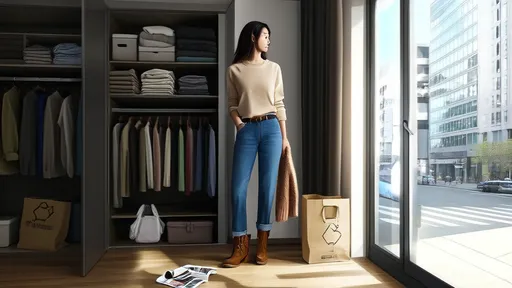
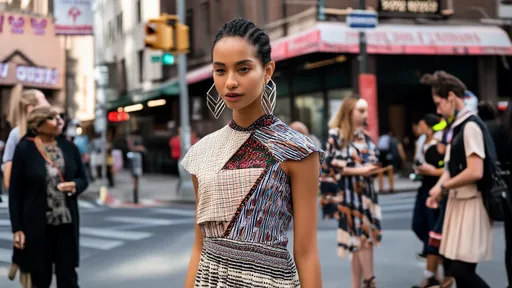
Street style tells an equally compelling story of lace's democratization. No longer restricted to haute couture, lace now appears in fast fashion and DIY culture. Contemporary styling techniques have normalized lace in everyday contexts - a lace bralette peeking from beneath a blazer, or distressed lace jeans paired with chunky sneakers. This casualization represents lace's most radical break from its formal past, proving its adaptability across social contexts and personal styles.
The material's technical evolution has fueled its fashion revolution. Traditional handmade laces like Chantilly or Alençon required painstaking craftsmanship, limiting their accessibility. Modern manufacturing techniques have preserved lace's artisanal beauty while making it more durable and affordable. Innovations like laser-cut lace and bonded lace composites allow for structural possibilities that would astonish historical lacemakers. These advancements enable designers to use lace in unprecedented ways - as architectural elements in gowns or as breathable panels in athletic wear.
Cultural perceptions continue to shift as lace infiltrates menswear and gender-neutral collections. What was once firmly coded as feminine now appears in masculine contexts - lace trim on bomber jackets, or full lace shirts styled with tailored trousers. This gender fluid application represents lace's final frontier, dismantling its last remaining stereotype. The fabric's journey from ladies' undergarments to unisex fashion statements mirrors society's evolving understanding of identity and self-expression.
Lace's sustainability story adds another layer to its modern appeal. As consumers demand eco-conscious options, lace offers solutions through biodegradable natural fibers and zero-waste production methods. Vintage lace recycling has become a cottage industry, with designers repurposing antique pieces into contemporary creations. The fabric's durability and timelessness make it inherently sustainable - a quality increasingly valued in our disposable fashion culture.
The psychological impact of wearing lace outwardly shouldn't be underestimated. There's an empowerment in claiming what was once hidden, in transforming private adornment into public armor. Modern lace wearers report feeling simultaneously vulnerable and powerful - a dichotomy that resonates in our complex era. This emotional dimension explains why lace continues to captivate designers and consumers alike, generations after its first appearance in fashion.
As we look toward fashion's future, lace shows no signs of retreating back beneath the surface. Its evolution reflects broader movements in self-expression, gender politics, and material innovation. From its humble beginnings as linen thread twisted around bobbins to its current status as a runway staple, lace has proven itself as fashion's ultimate shapeshifter. The fabric that once whispered secrets now makes bold declarations, and in doing so, has rewritten fashion history.
The true genius of lace lies in its ability to mean everything and nothing simultaneously - it can be innocent or seductive, delicate or strong, traditional or revolutionary. As designers continue pushing its boundaries, and wearers continue redefining its meaning, lace remains fashion's most eloquent paradox - a fabric that reveals as much as it conceals, both in its intricate patterns and in the cultural narratives it weaves.

By /Aug 1, 2025

By /Aug 1, 2025

By /Aug 1, 2025

By /Aug 1, 2025
By /Aug 1, 2025

By /Aug 1, 2025
By /Aug 1, 2025

By /Aug 1, 2025
By /Aug 1, 2025

By /Aug 1, 2025
By /Aug 1, 2025
By /Aug 1, 2025
By /Aug 1, 2025
By /Aug 1, 2025
By /Aug 1, 2025

By /Aug 1, 2025

By /Aug 1, 2025
By /Aug 1, 2025
By /Aug 1, 2025

By /Aug 1, 2025
