The world of fitness and food delivery has collided in an unexpected way, giving rise to a fascinating cultural phenomenon: the "gym takeout code 2.0." What began as simple instructions like "no mayo" or "extra protein" has evolved into a sophisticated system of culinary shorthand between health-conscious customers and restaurant staff. This underground language allows fitness enthusiasts to customize their meals with surgical precision while maintaining the appearance of normal takeout orders to outsiders.
The origins of this trend trace back to bodybuilders and competitive athletes who needed to maintain strict dietary regimens despite busy schedules. Early adopters would write lengthy notes specifying exact macronutrient ratios, cooking methods, and ingredient substitutions. As more people adopted this practice, a kind of linguistic Darwinism took hold - the most efficient phrases survived while cumbersome explanations faded away. What remains today is a streamlined lexicon that would baffle the average takeout worker but makes perfect sense to those in the know.
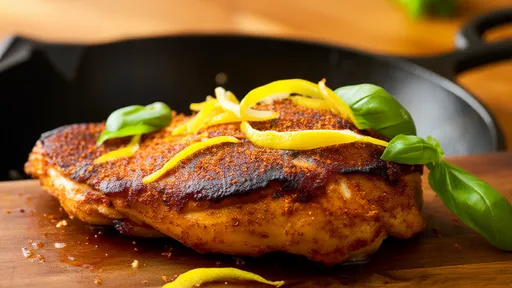
Modern gym takeout codes go far beyond basic nutritional requests. An order might read "5151 SWOL" - which translates to 5 oz chicken, 15 oz sweet potato, 1 tbsp olive oil, with sauce on the side (SWOL). Other common abbreviations include "B2B" (broccoli to bulk), "CCT" (clean carb timing for post-workout meals), or "GFY" (grilled, not fried, with yogurt instead of sauce). Some codes even specify the timing of the meal relative to workouts, like "PRB4" (protein-rich breakfast 4 hours before training).
The sophistication of this system reveals how deeply nutrition science has penetrated mainstream fitness culture. What was once knowledge reserved for elite athletes and dietitians has become common parlance among casual gym-goers. Restaurant workers in areas with high concentrations of fitness studios report needing to learn this vocabulary to keep up with customer demand. Some establishments near popular gyms even maintain cheat sheets behind the counter to decode the most obscure requests.
This phenomenon has created an interesting dynamic in the food service industry. Chefs and line cooks who master the gym code lexicon often find themselves rewarded with better tips and loyal customer followings. There's even emerging competition among restaurants to offer the most gym-friendly customization options, with some creating entire "performance menus" that speak directly to this demographic using their preferred terminology.
Social media has accelerated the evolution of gym takeout codes 2.0. Fitness influencers frequently share their "hacks" for ordering clean meals from any restaurant, while food delivery apps have become unexpected hubs for this specialized knowledge. Screenshots of perfectly coded orders regularly go viral in fitness communities, with users dissecting and debating the optimal phrasing for various dietary approaches.
The psychological aspect of this trend is equally fascinating. Using coded language creates a sense of belonging among fitness enthusiasts - it's both practical and tribal. There's also an element of discretion involved; some prefer not to broadcast their dietary restrictions or fitness goals when ordering in group settings. The codes allow them to maintain their regimen without drawing attention or needing to explain themselves.
As with any subculture lexicon, regional variations have begun to emerge. Certain cities with strong fitness cultures have developed their own localized twists on the codes. Los Angeles orders might emphasize keto-friendly substitutions, while Miami versions could focus on lean seafood preparations. Some codes have even crossed international borders, with global fitness communities adapting the system to local cuisines and languages.
This trend shows no signs of slowing down. If anything, the language continues to grow more sophisticated as nutritional science advances and more people adopt precision eating habits. The next frontier appears to be integrating these codes directly into restaurant POS systems, allowing customers to select their preferences from dropdown menus rather than typing them manually. Some forward-thinking chains are already experimenting with this approach.
What began as a practical solution for athletes on the go has blossomed into a full-fledged cultural movement at the intersection of fitness, technology, and gastronomy. The gym takeout code 2.0 phenomenon demonstrates how communities will develop sophisticated systems to meet their needs when existing structures fall short. It's a testament to human ingenuity - and our endless pursuit of the perfect macros.
By /Aug 14, 2025
By /Aug 25, 2025

By /Aug 25, 2025

By /Aug 25, 2025
By /Aug 25, 2025
By /Aug 25, 2025
By /Aug 25, 2025

By /Aug 25, 2025
By /Aug 25, 2025

By /Aug 25, 2025
By /Aug 25, 2025
By /Aug 25, 2025
By /Aug 25, 2025

By /Aug 25, 2025

By /Aug 25, 2025

By /Aug 14, 2025

By /Aug 25, 2025

By /Aug 25, 2025
By /Aug 25, 2025
By /Aug 25, 2025
