Vase Balancing Walk: Dual Cultivation of Focus and Stability

Aug 25, 2025 By

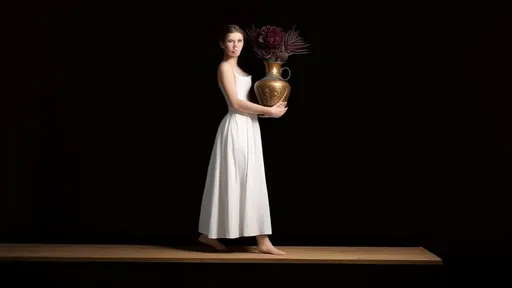
In the quiet corners of performance art studios and the hushed galleries of contemporary museums, a peculiar practice has been steadily gaining traction—vase walking. At first glance, it appears as a whimsical, almost absurd endeavor: individuals balancing delicately on the curved surface of a vase, often porcelain or ceramic, as they attempt to traverse a path. Yet, beneath this surface-level novelty lies a profound discipline that marries ancient principles of mindfulness with the rigorous demands of physical stability. This is not merely a performance; it is a moving meditation, a test of will, and a lesson in equilibrium that resonates deeply with our modern quest for balance in an increasingly chaotic world.

The origins of vase walking are somewhat obscure, blending elements of Eastern mindfulness practices with Western physical theater. Some trace its roots to the Zen Buddhist tradition of kinhin, or walking meditation, where practitioners move slowly and deliberately, coordinating breath with movement to cultivate awareness. Others see parallels in the circus arts, particularly tightrope walking or acrobatics, where balance is paramount. However, vase walking distinguishes itself by its use of an unstable, curved surface—a vase—which introduces a unique set of challenges. The vase, often unglazed to provide slight traction, becomes both a tool and a metaphor: fragile yet supportive, elegant yet demanding respect.

To the uninitiated, the act might seem impossible. How can one balance on something as precarious as a vase? The answer lies in the symbiotic relationship between focus and physical control. Practitioners often speak of the "empty mind" state—a term borrowed from Zen philosophy—where mental chatter ceases, and attention narrows to the immediate sensory experience. The mind must be fully present, attuned to the subtle shifts in weight, the minute adjustments of the feet, and the gentle sway of the vase. Distraction is not an option; a single wandering thought can lead to a stumble or, worse, the shattering of the vase. This intense concentration is not forced but cultivated through practice, becoming a form of active mindfulness that anchors the practitioner in the here and now.

Simultaneously, the body must learn a new language of movement. Unlike flat-ground walking, which is largely automatic, vase walking requires a constant, conscious negotiation with instability. The feet, often bare to enhance sensory feedback, grip the curved surface lightly, with toes splayed to distribute weight evenly. The core muscles engage deeply, providing a stable center from which minute adjustments can radiate. The arms extend slightly, not for balance in the conventional sense, but as pendulums that help regulate rhythm and momentum. Every step is a calculation—a tiny rebellion against gravity—that demands both strength and subtlety. Over time, the body develops a kinesthetic intelligence, an intuitive understanding of how to move with grace under constraint.

This duality—of mental focus and physical stability—is what makes vase walking so compelling as a practice for modern life. In a world saturated with distractions, the ability to concentrate deeply is a rare and valuable skill. Vase walking trains this skill in the most direct way possible: by making focus a necessity rather than an option. There is no room for multitasking; the mind must single-task, devoting all its resources to the act of balancing. This heightened state of awareness often carries over into daily life, practitioners report improved ability to concentrate on work, engage in conversations, and even manage stress. The vase becomes a teacher, imparting lessons in presence that extend far beyond the practice itself.

Similarly, the physical aspect of vase walking offers benefits that echo contemporary fitness trends but with a unique twist. While yoga and Pilates emphasize core stability and mindfulness, vase walking integrates these elements into a dynamic, weight-bearing activity. It improves proprioception—the sense of how one's body is positioned in space—which is crucial for everything from athletic performance to preventing falls in older age. The constant micro-adjustments strengthen the small stabilizer muscles in the feet, ankles, and core that are often neglected in conventional exercise. Yet, unlike high-impact activities, vase walking is gentle on the joints, making it accessible to a wide range of ages and abilities. It is a testament to the idea that strength need not be loud or forceful; it can be quiet, precise, and resilient.

Beyond the individual benefits, vase walking also invites a broader reflection on balance as a concept. In a cultural moment where work-life balance is endlessly discussed but rarely achieved, the practice offers a tangible metaphor. The vase, like life, is fragile and unpredictable. It requires constant adjustment and respect. There is no permanent state of balance; only a series of corrections and adaptations. This acceptance of impermanence and uncertainty is perhaps the most profound lesson of all. Practitioners learn to embrace the wobbles, the near-falls, and the recoveries as part of the process, not as failures. This mindset fosters resilience, flexibility, and a kinder attitude toward oneself and one's limitations.

As vase walking continues to gain followers, it is evolving from a niche art form into a recognized discipline. Workshops are springing up in urban centers, blending instruction in technique with discussions on mindfulness. Social media has played a role in its dissemination, with videos of skilled practitioners captivating audiences worldwide. However, the essence of the practice remains intimate and personal. It is not about spectacle but about the internal journey—the quiet dialogue between mind and body that occurs with every step.

In the end, vase walking is more than a curiosity; it is a holistic practice for our times. It challenges us to cultivate focus in an age of distraction, to find stability amid instability, and to seek balance not as a fixed destination but as a continuous, mindful process. The vase, in its simplicity and elegance, becomes a vessel for these lessons, reminding us that sometimes the most profound insights come from the most unexpected places. Whether one ever attempts to balance on a vase or not, its symbolism endures: that true equilibrium is found not in standing still, but in moving forward with awareness and grace.

Recommend Posts
Fitness

Methods to Mask the Fishy Taste of Ready-to-Eat Chicken Breast

By /Aug 14, 2025

The ready-to-eat chicken breast market has experienced exponential growth in recent years, fueled by health-conscious consumers seeking convenient protein sources. However, manufacturers face an ongoing battle against the natural gamey or fishy odors that can develop in processed poultry products. These off-putting aromas stem from lipid oxidation and the breakdown of amino acids during storage, creating volatile compounds that trigger negative sensory experiences.
Fitness

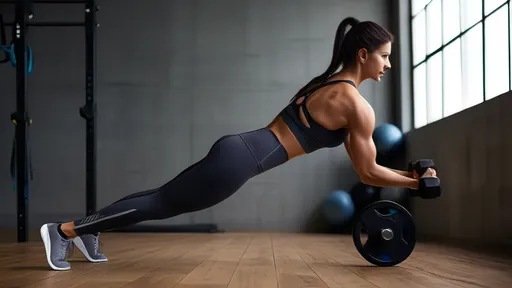
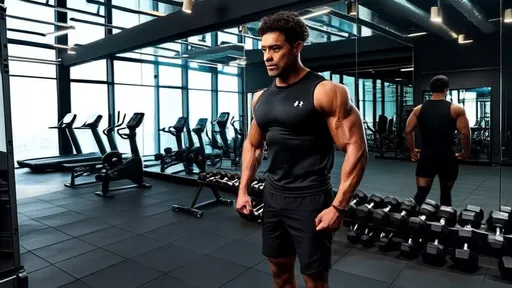
Invisible" Full-Body Circuit Plan for the Dumbbell Rack Area

By /Aug 25, 2025

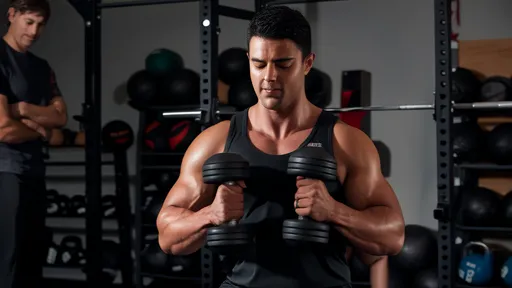
In the bustling landscape of modern fitness, where flashy equipment and complex routines often steal the spotlight, there exists a quiet, unassuming corner of the gym that holds untapped potential for transformative workouts. This is the dumbbell rack, a familiar sight yet frequently underestimated, serving as the foundation for what can be a remarkably efficient and comprehensive full-body training regimen. The concept of an "invisible" full-body circuit using primarily dumbbells is not about secrecy but rather about the subtle, intelligent application of fundamental movements that collectively engage every major muscle group, often without the need for sprawling across multiple machines or stations. It’s a streamlined approach to strength, endurance, and functionality, hidden in plain sight amidst the rows of weights.
Fitness

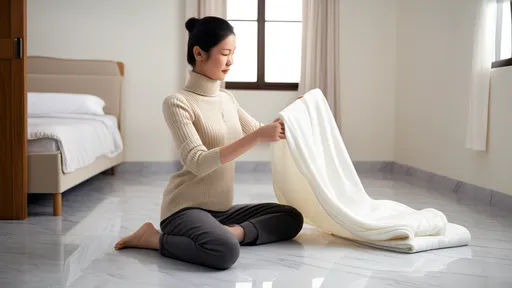
Full-Body Coordination Exercise in Bed Sheet Folding

By /Aug 25, 2025

In the quiet corners of domestic life, an unexpected form of physical conditioning has begun to capture the attention of fitness enthusiasts and wellness experts alike. The simple, often overlooked act of folding a bedsheet, when approached with mindfulness and intentionality, reveals itself as a surprisingly comprehensive exercise in full-body coordination. This daily chore, long relegated to the realm of mundane tasks, is now being reimagined as a practice that engages the body and mind in harmonious dialogue, blending functional movement with meditative focus.
Fitness

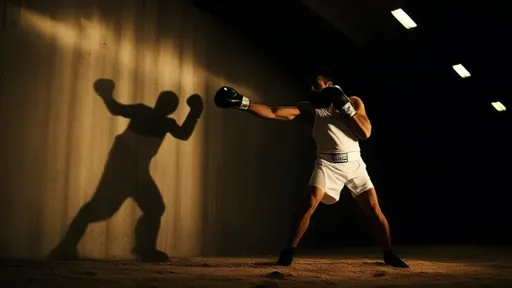
Correcting Punch Trajectory in Shadow Boxing on the Wall

By /Aug 25, 2025

In the dimly lit training facility, a boxer moves with focused intensity, but it’s not the heavy bag or the sparring partner holding his attention. Instead, his eyes are fixed on the wall, tracing the sharp, exaggerated shadows cast by the overhead lights. Each jab, cross, hook, and uppercut is projected in real-time, a dynamic and unforgiving blueprint of his movement. This is shadowboxing, but not as most know it. This is an evolution, a method of using one’s own shadow as a high-definition feedback tool to diagnose and correct the most fundamental element of boxing: punch trajectory.
Fitness

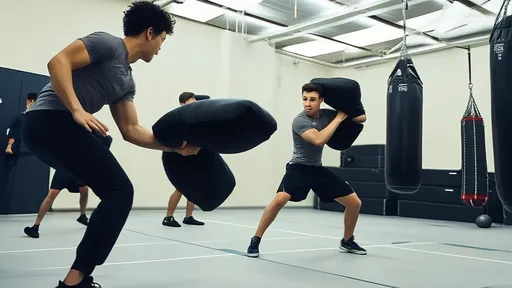
Pillow Fight Upgrade: Reflex and Agility Training

By /Aug 25, 2025

In an age where digital distractions dominate our leisure time, a surprising trend is reemerging from the annals of childhood play: the pillow fight. But this isn't the chaotic, feather-flying free-for-all of sleepovers past. This is Pillow Combat, a structured, high-energy activity rapidly gaining traction in fitness circles and corporate team-building retreats as a serious tool for honing reaction speed and agility.
Fitness

Synchronization Techniques for Lighting Rhythm and Movement in Group Classrooms

By /Aug 25, 2025

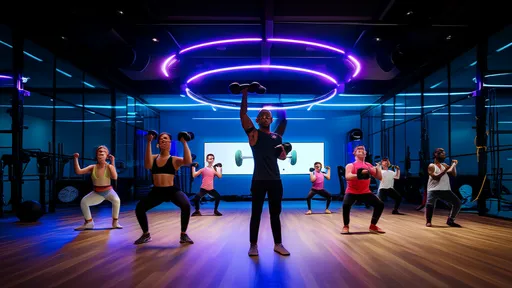
In the world of group fitness, synchronization is everything. The collective energy of a room moving as one creates an experience that transcends individual effort. But what happens when you introduce light as a metronome? When the very environment pulses in time with the movement? This is the emerging frontier of rhythm-based training, and it’s transforming how instructors and participants engage with group exercise.
Fitness

Dynamic Recovery Exercises Library for Inter-Set Rests

By /Aug 25, 2025

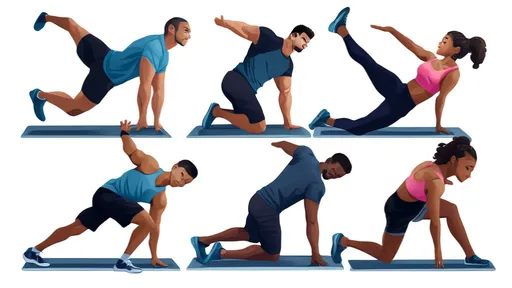
In the realm of fitness and athletic performance, the concept of dynamic recovery during inter-set rest periods has emerged as a transformative practice. Rather than passively waiting between sets, athletes and fitness enthusiasts are increasingly incorporating purposeful movements to enhance recovery, maintain readiness, and optimize overall workout efficiency. This shift from static rest to active engagement represents a nuanced understanding of how the body benefits from continuous, low-intensity stimulation during breaks.
Fitness

Vacuum Cleaner Pole Transforms into a Home Version of a Barbell"

By /Aug 25, 2025

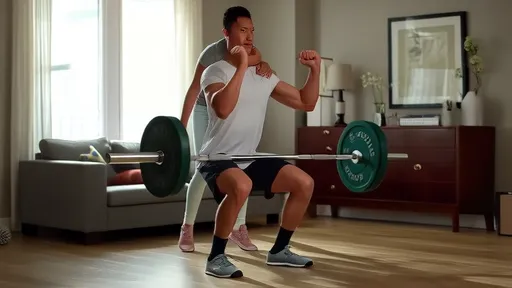
In the quiet hum of modern living, where time is scarce and space is precious, an unexpected fitness revolution is quietly unfolding. It begins not in a gleaming gym filled with state-of-the-art equipment, but in the most mundane corner of our homes—the closet where we keep our cleaning supplies. The humble vacuum cleaner, long relegated to the role of household chore assistant, is experiencing a surprising second act as an impromptu fitness tool. Across social media platforms and in living rooms worldwide, people are discovering that the detachable tube of their vacuum cleaner can serve a dual purpose: not just for sucking up dust, but for pumping up muscles.
Fitness

Free Weight Area Dumbbell Weight Blind Selection Test

By /Aug 25, 2025

In the evolving landscape of fitness, the free weight section remains a bastion of raw, unadulterated strength training. Among its tools, dumbbells stand as iconic instruments of muscle development, yet an intriguing phenomenon persists: the widespread inability of even seasoned gym-goers to accurately identify dumbbell weights by feel alone. This curiosity sparked the design of a comprehensive blind selection test, conducted across multiple fitness centers, to explore how individuals perceive weight without visual cues. The experiment, involving over 500 participants ranging from novices to professional strength athletes, revealed fascinating insights into human proprioception, psychological biases, and the often-overlooked nuances of equipment design.
Fitness

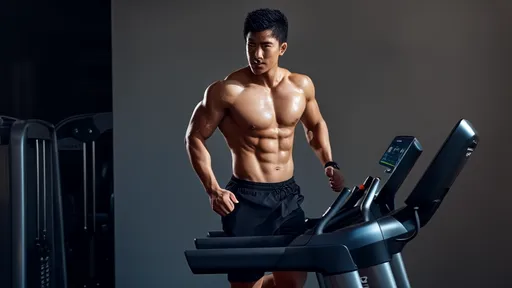
Treadmill Incline and Plank Challenge Combo

By /Aug 25, 2025

In the ever-evolving landscape of fitness, enthusiasts and trainers are constantly seeking innovative ways to push physical boundaries and maximize workout efficiency. One such compelling combination that has been gaining traction is the pairing of treadmill incline training with the static strength of planks. This fusion creates a unique challenge that targets both cardiovascular endurance and core stability in a single, intense session. It’s not just about running uphill or holding a position; it’s about integrating dynamic movement with isometric contraction to forge a stronger, more resilient body.
Fitness

Efficient Movement Planning During Peak Hours in Gyms

By /Aug 25, 2025

In the bustling environment of a modern gym, the flow of movement during peak hours can often feel like navigating a crowded city during rush hour. Members weave between equipment, wait for machines, and sometimes even abandon their workouts due to frustration. This chaotic experience not only impacts member satisfaction but also limits the gym's capacity to serve its clientele effectively. The concept of efficient movement planning, or what industry professionals refer to as "gym flow optimization," has emerged as a critical strategy for enhancing both operational efficiency and user experience. By thoughtfully designing the layout and managing traffic, gyms can transform peak hours from a source of stress into a seamless, productive period for everyone involved.
Fitness

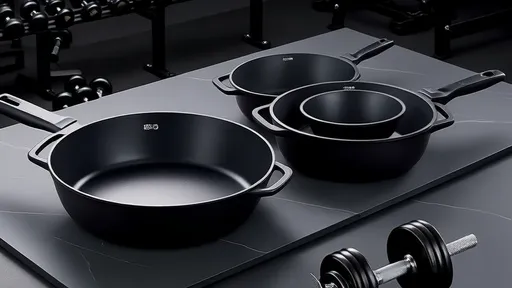
Rapid Estimation of Cookware Weight and Bicep Curl Training

By /Aug 25, 2025

In the world of strength training, we often overlook the most fundamental tools right under our noses—or more accurately, right in our kitchens. The humble cookware that fills our cabinets represents more than just culinary potential; it embodies a unique opportunity for functional fitness. For those looking to incorporate resistance training into their daily routines without investing in expensive equipment, everyday household items provide an accessible and surprisingly effective alternative. Among these, pots, pans, and other weighted kitchen implements offer a versatile and immediately available means to engage in strength-building exercises, particularly various forms of curls that target the biceps, forearms, and overall upper body.
Fitness

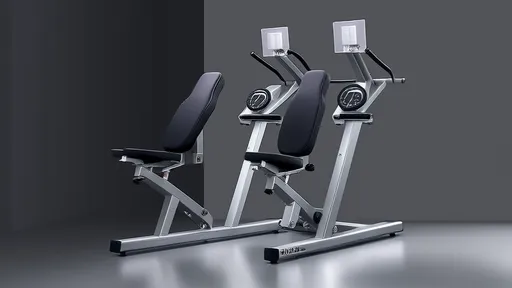
The Impact of Micro-adjustments in Exercise Equipment Seat Angles on Target Muscle Groups

By /Aug 25, 2025

In the ever-evolving landscape of fitness and rehabilitation, the subtle nuances of equipment adjustment often hold the key to unlocking optimal muscle engagement and performance. Among these nuances, the angle of exercise equipment seat remains a frequently overlooked yet profoundly impactful variable. While most users focus on weight, repetitions, or speed, the precise tilt of a seat can dramatically alter which muscle groups bear the brunt of the effort, transforming an ordinary workout into a targeted, efficient session. This article delves into the science and practical implications of micro-adjustments in exercise equipment seat angles, exploring how such minor changes can lead to significant shifts in muscular activation, injury prevention, and overall training efficacy.
Fitness

Vase Balancing Walk: Dual Cultivation of Focus and Stability

By /Aug 25, 2025

In the quiet corners of performance art studios and the hushed galleries of contemporary museums, a peculiar practice has been steadily gaining traction—vase walking. At first glance, it appears as a whimsical, almost absurd endeavor: individuals balancing delicately on the curved surface of a vase, often porcelain or ceramic, as they attempt to traverse a path. Yet, beneath this surface-level novelty lies a profound discipline that marries ancient principles of mindfulness with the rigorous demands of physical stability. This is not merely a performance; it is a moving meditation, a test of will, and a lesson in equilibrium that resonates deeply with our modern quest for balance in an increasingly chaotic world.
Fitness

Towel Tug-of-War: Doubles Resistance Training

By /Aug 25, 2025

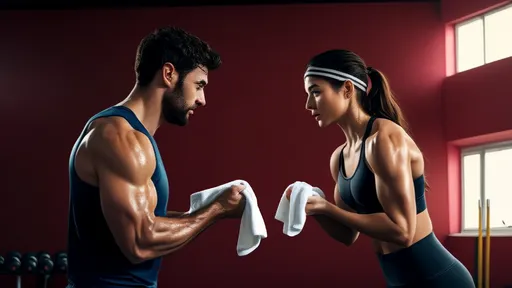
In the world of athletic training, innovation often emerges from the most unexpected places. The latest trend sweeping through gyms and training facilities might just be the most deceptively simple yet brutally effective exercise to date: the towel tug-of-war. What began as an impromptu test of strength between training partners has evolved into a structured, high-intensity drill known as Towel Tug Training, a dual-combat exercise that is redefining functional strength development.
Fitness

Fitness Takeout Note Code 2.0

By /Aug 14, 2025

The world of fitness and food delivery has collided in an unexpected way, giving rise to a fascinating cultural phenomenon: the "gym takeout code 2.0." What began as simple instructions like "no mayo" or "extra protein" has evolved into a sophisticated system of culinary shorthand between health-conscious customers and restaurant staff. This underground language allows fitness enthusiasts to customize their meals with surgical precision while maintaining the appearance of normal takeout orders to outsiders.
Fitness

Lateral Lunges Through Bookshelf Gaps

By /Aug 25, 2025

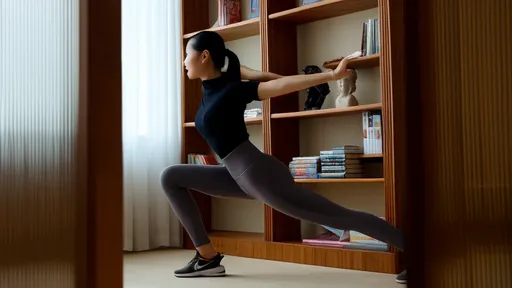
In the ever-evolving world of fitness, enthusiasts and professionals alike are constantly seeking innovative ways to integrate movement into daily life. One such practice that has been gaining traction is the art of navigating through the narrow gaps between bookshelves using a lateral lunge motion. This might sound peculiar at first glance—a niche activity perhaps, born out of necessity or spontaneity. However, delve a little deeper, and you uncover a fascinating blend of functional movement, spatial awareness, and almost meditative focus. It’s not just about squeezing through a tight space; it’s about redefining how we interact with our environment and our own bodies.
Fitness

Office Chair Casters Core Stability Challenge

By /Aug 25, 2025

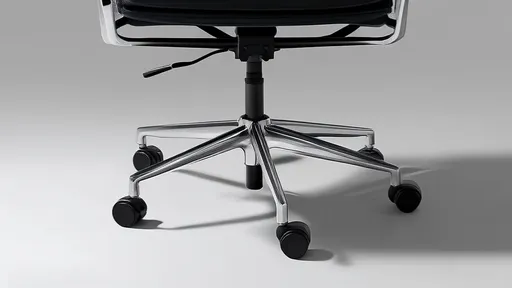
In the modern workplace, the humble office chair caster has evolved from a simple mobility tool to a critical component of ergonomic design and occupational wellness. While most employees give little thought to the wheels beneath their seats, a growing body of research reveals that these seemingly insignificant components play a pivotal role in spinal health, productivity, and workplace safety. The core stability challenge presented by office chair casters represents a fascinating intersection of physics, physiology, and furniture design that deserves closer examination.
Fitness

Staircase Step Buttock and Leg Shaping Interval Program

By /Aug 25, 2025

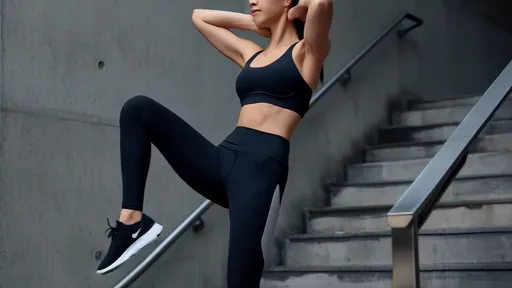
In the ever-evolving world of fitness, the search for effective, accessible, and efficient workout routines is perpetual. Among the myriad of options, one method stands out for its simplicity and profound impact: the stair-based high-intensity interval training (HIIT) regimen for glute and leg sculpting. This approach leverages a ubiquitous structure—the staircase—transforming it into a powerful tool for building strength, enhancing muscle tone, and boosting cardiovascular health. Whether you have access to a grand staircase in a park, the steps in your home, or the flight in your office building, this workout democratizes fitness, making serious body sculpting achievable without expensive equipment or gym memberships.
Fitness

The Ultimate Guide to the Pull-up Bar: Train Your Whole Body with One Machine

By /Aug 25, 2025

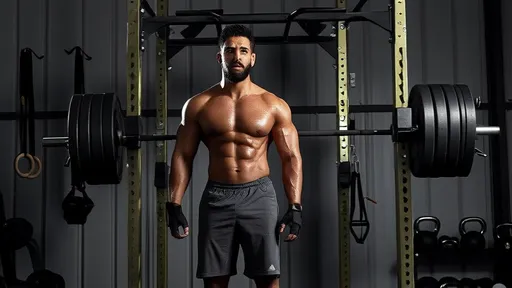
In the ever-evolving world of fitness, the quest for versatile and effective equipment often leads enthusiasts to overlook one of the most comprehensive tools available: the power rack, or as it's more dramatically known, the ultimate pull-up bar. This piece of equipment, often relegated to the corners of commercial gyms or the garages of serious lifters, is in fact a marvel of engineering that offers unparalleled opportunities for full-body transformation. Unlike single-purpose machines that isolate specific muscles, the pull-up bar is a multifunctional fortress of strength, capable of facilitating hundreds of exercises that engage every major muscle group in the human body.